
What Should I Expect from a Cupping Session for Sports Injuries?
Cupping therapy has gained popularity in recent years, especially among athletes seeking alternative methods for dealing with sports injuries. But what exactly is cupping, and what can you expect from a session? In this FAQ-style blog, we’ll cover everything you need to know about cupping for sports injuries.

What is Cupping Therapy?
Cupping therapy is an ancient alternative medicine technique that uses cups placed on the skin to create suction. This process is believed to promote healing by improving blood flow, reducing muscle tension, and encouraging tissue repair.
The origins of cupping therapy date back thousands of years and have been practiced in various forms by different cultures, including ancient Chinese, Egyptian, and Middle Eastern societies. The technique traditionally involves the use of glass or bamboo cups, but modern practitioners may also use silicone or plastic options.
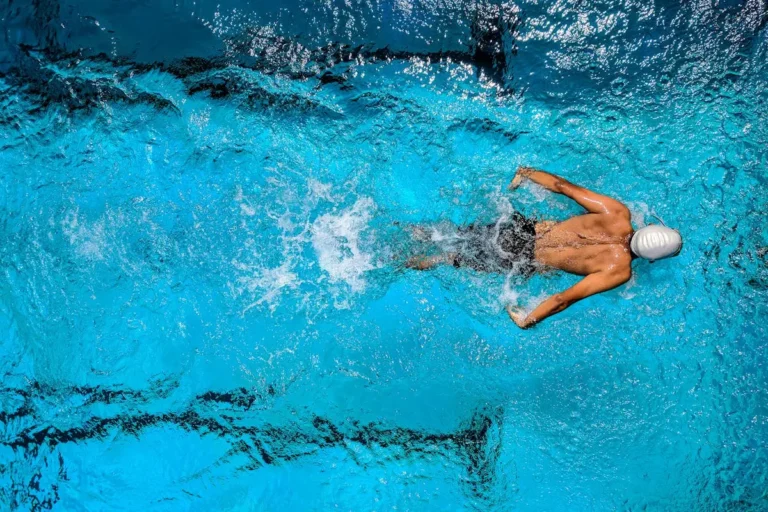
In recent years, cupping has made a resurgence, especially in the realm of sports medicine. Many professional athletes, such as swimmers and track and field stars, have embraced cupping as a natural way to boost their recovery times and improve performance. The telltale circular marks left on the skin have even become badges of honor, indicating their dedication to healing and wellness.
How is Cupping Used for Sports Injuries?
Athletes commonly use cupping as a complementary treatment for sports injuries. The suction from the cups can help reduce muscle soreness, increase circulation, and alleviate pain, making it a popular choice for those looking to speed up recovery times.
Cupping works by creating a negative pressure on the skin, which draws blood to the surface and stimulates circulation in the area. This increase in blood flow can accelerate the body’s natural healing processes, helping athletes recover more quickly from injuries such as strains, sprains, and even tendonitis.
Apart from enhancing recovery, athletes also find that cupping can relieve tight muscles and illusive trigger points, which can help in improving flexibility and range of motion. By addressing these concerns, cupping not only aids healing but may also serve as a preventive measure for future injuries.
What Happens During a Cupping Session?
During a typical cupping session, a therapist will apply a series of cups to specific areas of your body. These cups may be made of glass, silicone, or plastic. Suction is then created either through heat or a mechanical pump. The cups are generally left in place for around 5 to 15 minutes.
The session begins with a consultation, where the therapist assesses your particular needs and identifies which areas of your body require attention. You’ll then be asked to lie down comfortably while the therapist prepares the cups.
For some athletes, cupping is combined with other therapies, such as laser therapy or acupressure, to provide a more holistic approach to treatment. This integrated method can enhance the overall benefits of the session and promote a quicker return to full athletic activity.
Does Cupping Hurt?
While cupping is generally not painful, you might feel a tight sensation where the cups are applied. Some people experience mild discomfort, but it often subsides as the session continues. The marks left after cupping are usually not painful and fade within a few days.
Most clients describe the sensation as similar to a deep tissue massage but with a more focused pressure. The degree of suction can be adjusted by the therapist to ensure that you’re comfortable at all times.
It’s normal to feel a bit of warmth or tingling in the treated areas after a session. These sensations are signs that your body is responding to the treatment, responding by increasing blood flow and initiating the healing process.
Are There Risks or Side Effects?
As with any therapy, there are potential side effects. These can include skin irritation, lightheadness, or dizziness. It’s important to consult with a trained professional who can ensure that cupping is safe for you, especially if you have any medical conditions.
For those with sensitive skin, the suction might leave more pronounced marks, which can last longer than usual. It’s always beneficial to discuss your skin type and any potential concerns with your therapist prior to the session.
Individuals on blood thinning medications or those with significant medical conditions should exercise particular caution and may need to seek alternative treatments. It’s always advisable to talk to your healthcare provider or a qualified therapist to ensure cupping is an appropriate choice for your recovery process.
Final Thoughts on Cupping Therapy for Sports Injuries
Cupping therapy can be an effective supplementary method for dealing with sports injuries, helping to enhance recovery and relieve pain. Whether you’re a seasoned athlete or new to the world of alternative therapies, knowing what to expect can help you make the most of your cupping sessions. Always remember to consult a qualified professional when considering cupping as part of your recovery regime. For more information on how we can help with your sports injuries, visit our homepage.