From Pain to Performance: Athletic Recovery Techniques for Marin Athletes
Athletic recovery is a critical component of any training regimen, especially for athletes in Marin, where outdoor activities abound. Understanding the best recovery techniques can help enhance performance, reduce injury risk, and ensure athletes return stronger than ever. In this blog, we’ll explore effective strategies tailored to Marin athletes that can turn pain into performance.
Understanding Athletic Recovery
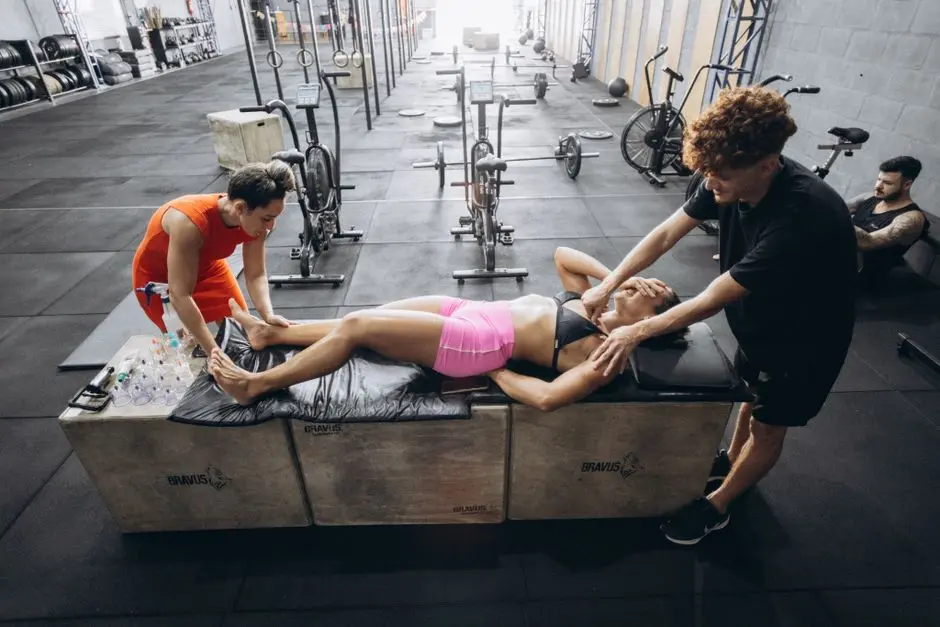
Athletic recovery goes beyond simply resting after a workout. It involves a variety of practices aimed at repairing muscle damage, replenishing energy stores, and reducing soreness. Understanding these elements is crucial for every athlete.
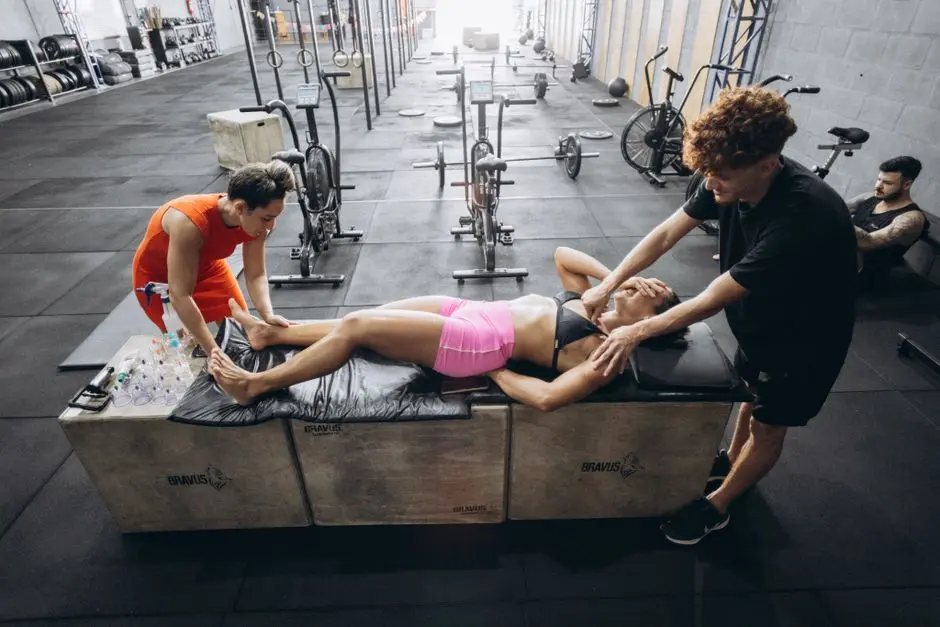
Recovery is often mistaken for inactivity, but in truth, it is an active part of the athletic cycle. When we engage in recovery, we allow our bodies to heal from the physical stress imposed during training. This might include techniques like stretching, foam rolling, or even engaging in low-impact activities. Each of these methods plays a role in reducing muscle tightness and enhancing flexibility, which are essential for peak performance.
It’s important to recognize that what works for one athlete may not work for another. Factors such as age, fitness level, and individual goals influence the optimal recovery strategies. By learning about different recovery techniques and experimenting to find what suits you best, you can tailor your approach and make the most out of each recovery session.
The Importance of Hydration in Recovery
Hydration is often overlooked but is vital for recovery. Proper fluid intake helps transport nutrients throughout the body and flushes out waste products. Learn how much you should be drinking and the best fluids to consume post-activity.
Many athletes focus on what they eat but neglect their hydration needs. Water is essential, but electrolytes play a significant role in effective recovery. After intense workouts, especially those that leave you sweating profusely, replenishing sodium, potassium, and magnesium helps bring balance back to your body. This balance not only aids recovery but also enhances athletic performance in subsequent sessions.
To ensure optimal hydration, consider incorporating practices like tracking your fluid intake, observing urine color, and knowing your sweat rates. Adjust your fluid consumption according to weather conditions, intensity of your workouts, and duration. By paying attention to your body’s signals, you can significantly improve your recovery experience.
Nutrition: Fueling Your Recovery
What you eat after athletic activities can make a significant difference in your recovery. Explore the role of macronutrients, timing of meals, and specific foods that can aid your body in the recovery process.
Post-workout nutrition is a crucial aspect of recovery. Consuming a balanced meal that includes carbohydrates, proteins, and healthy fats can accelerate the repair of muscle tissues while replenishing glycogen stores. For instance, pairing a banana with nut butter or having a smoothie with protein powder, spinach, and berries are all great post-recovery meal options.
Moreover, timing is everything. Aim to eat within the first 30 to 60 minutes after your workout for optimal repair benefits. This window, often referred to as the ‘anabolic window,’ is when your muscles are most receptive to nutrient absorption. Failing to take advantage of this timing can hinder your recovery progress.
Active Recovery Techniques for Marin Athletes
Active recovery includes low-intensity activities that promote blood flow and reduce stiffness. We’ll discuss various methods, including yoga, swimming, and light jogging, specifically geared towards the unique outdoor environment of Marin.
Incorporating outdoor activities into your recovery routine can be both refreshing and beneficial. Just a gentle hike along one of Marin’s beautiful trails can serve as an excellent active recovery option. The combination of fresh air and movement supports circulation, aiding muscle recovery while allowing you to soak in the breathtaking views.
Yoga is another fantastic option for active recovery, offering both physical and mental benefits. Not only does it improve flexibility and range of motion, but it also promotes relaxation and mental clarity. Whether you practice on the beach or in your living room, committing to a regular yoga routine can significantly enhance your overall recovery process.
The Role of Sleep in Athletic Recovery
Sleep is often the unsung hero of recovery. Without adequate rest, your body struggles to heal and perform at its best. Discover how sleep affects recovery and tips for improving sleep quality.
During sleep, your body engages in critical repair processes—muscles grow, hormones balance, and overall recovery takes place. Neglecting quality sleep can lead to diminished performance, increased risk of injury, and impaired cognitive function. Therefore, prioritizing a good night’s rest is essential for any Marin athlete striving for peak performance.
To improve your sleep quality, establish a consistent bedtime routine, create a restful sleep environment, and consider practices like limiting screen time before bed or practicing relaxation techniques. When you respect your body’s need for sleep, you set the stage for quicker, more effective recovery.
Injury Prevention and Recovery Protocols
Prevention is always better than recovery. We’ll outline key practices that can help Marin athletes avoid injuries, along with what to do when injuries occur to ensure a swift return to activity.
One of the most effective ways to prevent injuries is through proper warm-up and cool-down routines. A good warm-up increases blood flow, prepares your muscles, and enhances performance. In contrast, cooling down can mitigate soreness and enhance flexibility. Additionally, incorporating strength training into your routine builds a solid foundation that can withstand the demands of your sports activities.
In case of injury, following a structured recovery protocol is crucial. This may include rest, ice, compression, and elevation—commonly referred to as the RICE method. Understanding how to assess and treat minor injuries can facilitate a quicker return to your training regimen, reducing the chances of recurring issues.
Embracing Recovery for Peak Performance
By incorporating these athletic recovery techniques into your training routine, you’ll not only boost your performance but also pave the way for long-term success and well-being. Remember, recovery is an ongoing process and should be treated with the same dedication as your training. Stay engaged, listen to your body, and enjoy your journey as an athlete in Marin.