7 Essential Sports Medicine Techniques for Faster Recovery
In the world of sports, injuries are often an inevitable part of the game. Whether you’re a professional athlete or a weekend warrior, knowing the right techniques to recover faster can make all the difference in your performance and well-being. In this article, we’ll explore seven essential sports medicine techniques that can help you get back on your feet and continue doing what you love.
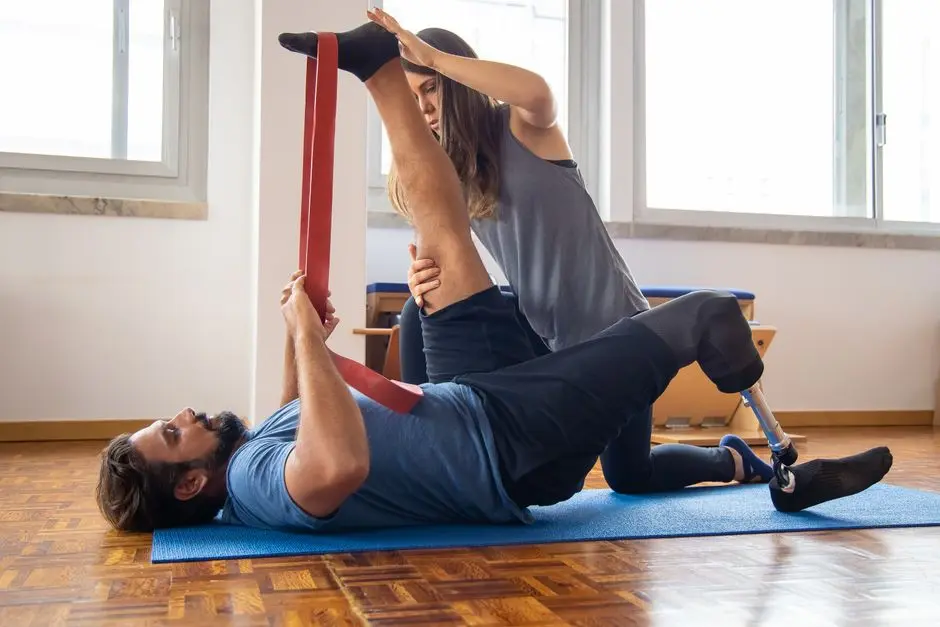
1. The Importance of R.I.C.E
R.I.C.E — Rest, Ice, Compression, Elevation — is a foundational technique in sports medicine that aids in reducing inflammation and speeding up recovery. When an injury occurs, the body’s immediate response is crucial. Taking the time to rest prevents further strain on the injured area, allowing for the healing process to begin.
Applying ice helps to constrict blood vessels, minimizing swelling and providing pain relief. It’s key to remember that you should never apply ice directly to the skin; instead, use a cloth or towel. Compression wraps can further reduce swelling and offer support to the injured area. Lastly, elevating the injured limb above the heart improves circulation and promotes fluid drainage—making R.I.C.E an essential starting point in any recovery strategy.
2. Active Release Techniques Explained
Active Release Techniques (ART) is a hands-on therapy that focuses on breaking down adhesions in muscles and tendons, helping to restore normal function. One of the most compelling aspects of ART is that it’s tailored to the individual, addressing specific issues that arise from injuries or repetitive use.
During an ART session, a trained therapist uses their hands to evaluate the texture and tension of the muscles, scanning for areas of tightness or restriction. By applying targeted pressure and guiding the movements of the patient, ART helps to release tension and improve mobility.
For athletes, integrating ART into their routine can not only expedite recovery but also enhance performance by improving range of motion and reducing the risk of future injuries. It’s a proactive approach that ultimately speaks to the essence of sports medicine—rehabilitating and strengthening the body for peak performance.
3. The Benefits of Ultrasound Therapy
Ultrasound therapy uses sound waves to promote healing in soft tissues, reducing pain and accelerating the recovery process. This technique is non-invasive and can be particularly effective for treating conditions such as strains, sprains, and tendonitis.
How does it work? The ultrasound machine emits sound waves that penetrate deep into the muscle, generating heat in the targeted areas. This increase in temperature encourages blood flow, helping to deliver essential nutrients and waste removal—both vital steps in the healing process.
Patients often report a reduction in pain and inflammation after a session, making it a popular choice among physical therapists and sports medicine professionals. The magic of ultrasound lies not just in its immediate effects but also in its ability to stimulate long-term healing, allowing athletes to return to their activities stronger than before.
4. Understanding Electrical Stimulation
Electrical stimulation can support muscle recovery and pain relief by mimicking the natural signals sent from the brain to the muscles. This technique is widely used in physical therapy, especially for patients recovering from surgery or serious injury.
By applying small electrical impulses to the skin near the injury site, electrical stimulation encourages muscle contractions. This not only improves muscle strength but also enhances local blood circulation, which is crucial for repair and healing.
Importantly, electrical stimulation can also help manage pain. Many athletes swear by its effectiveness, especially during the rehabilitation phase, as it allows them to regain functionality without putting excessive strain on an injured area. It’s a perfect combination of science and comfort—allowing patients to feel better while they heal.
5. The Role of Stretching and Flexibility
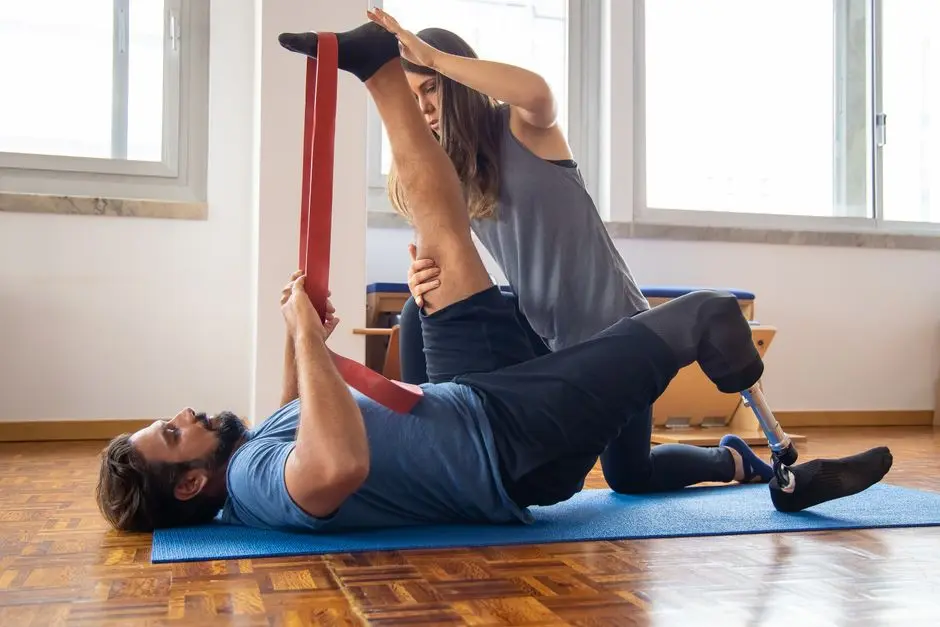
Incorporating regular stretching and maintaining flexibility can significantly help prevent injuries and enhance recovery after strenuous activities. Stretching allows your muscles to elongate, which can alleviate tension built up during intense workouts or competitions.
A focused stretching routine contributes immensely to overall performance. It warms up the muscles before activity and cools them down afterward, reducing the likelihood of tears or strains. Moreover, improved flexibility often leads to better posture and balance—two critical components in any sport.
Incorporating both dynamic and static stretching into your regimen is essential. Dynamic stretches are best before a workout, as they prepare your body for action, while static stretches are ideal for recovery, helping to lengthen muscles and enhance the relaxation process post-activity.
6. Hydration: Your Secret Weapon
Staying hydrated is crucial for recovery. Water plays a vital role in transporting nutrients and flushing out toxins from your body. Often overlooked, hydration can make or break an athlete’s performance and recovery regimen.
During intense physical activity, the body loses not only water but also electrolytes through sweat. Replenishing these lost fluids is essential to prevent dehydration, which can impede recovery. Drinking enough water also helps maintain joint lubrication and muscle elasticity, both of which are key in preventing injuries.
Incorporating water-rich foods into your diet, such as fruits and vegetables, can also contribute to your hydration needs. Make it a habit to monitor your water intake, and consider carrying a reusable water bottle during workouts to ensure you’re meeting your hydration goals consistently.
7. Nutrition for Optimal Recovery
Fueling your body with the right nutrients post-injury can support healing and provide the energy needed for recovery. Nutrition plays a pivotal role in not only how quickly you recover but also in how effectively your body repairs itself.
In particular, a balanced diet rich in protein, vitamins, and healthy fats can provide the building blocks necessary for muscle repair and growth. Foods that are high in antioxidants can also aid in reducing inflammation, helping you bounce back more quickly from strenuous activities or injuries.
Don’t forget about hydration as part of nutrition! Pairing proper hydration with your meals ensures optimal nutrient absorption. Consider incorporating lean meats, whole grains, fruits, and vegetables into your meals for a complete recovery plan that nourishes both your body and your mind.