

What Role Does Acupuncture Play in Athletic Recovery?
In recent years, athletes have increasingly turned to alternative medicine to enhance their performance and recovery. Among these, acupuncture stands out as a popular choice. But what exactly does acupuncture do for athletic recovery, and how does it work?
Understanding Acupuncture
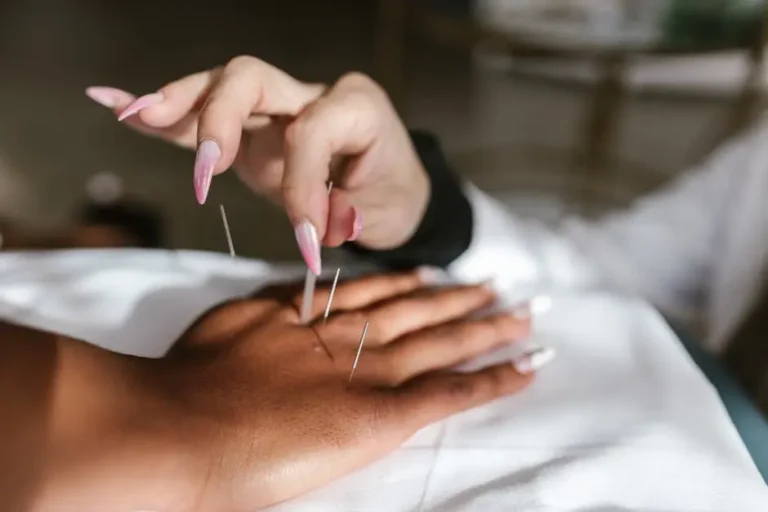
Acupuncture is a traditional Chinese medicine technique that involves inserting thin needles into specific points on the body. This practice is designed to balance the body’s energy, or ‘qi’, and promote natural healing.
The practice of acupuncture dates back thousands of years, originating in China. Today, it is widely used across the globe, not just in Eastern medicine but also integrated into Western health practices due to its potential benefits in various treatments and conditions.
One of the key principles behind acupuncture is its ability to enhance the body’s natural processes. By stimulating certain points, acupuncture can increase blood flow, reduce inflammation, and release tension from muscles, thus supporting the body’s healing mechanisms.
How Acupuncture Aids in Pain Relief
Many athletes experience pain and injuries, and acupuncture can help alleviate this by releasing endorphins, the body’s natural painkillers. This can make acupuncture a beneficial part of a pain management protocol.
Additionally, acupuncture can modulate pain perception by interacting with the nervous system. It has been shown to potentially block pain signals from reaching the brain, which can be crucial for athletes pushing their bodies to the limit during intense training sessions and competitions.
For athletes who suffer from chronic pain conditions, like tendinitis or muscle strains, acupuncture offers an alternative approach. It’s not only about immediate relief but also about sustaining long-term pain management without the reliance on pharmaceuticals.
Enhancing Muscle Recovery
Acupuncture can improve blood circulation and reduce inflammation, which are crucial for muscle recovery. By targeting specific areas, it can help speed up the healing process after intense workouts or competitions.
Enhanced circulation means more oxygen and nutrients are delivered to muscle tissues, which promote healing and reduce post-exercise soreness. Acupuncture’s role in muscle recovery highlights its effectiveness in maintaining muscular health and function.
By reducing oxidative stress and the accumulation of lactic acid, acupuncture can also diminish the feeling of stiffness and heaviness that often follows prolonged exercise. This makes it a valuable asset in an athlete’s recovery toolkit.
Promoting Mental Focus and Relaxation
Acupuncture isn’t just for physical recovery. It can also promote mental clarity and reduce stress, which are essential for optimal performance. By calming the mind, athletes can improve their focus and overall mental well-being.
The calming effect of acupuncture has been linked to the reduction of cortisol levels, a hormone associated with stress. Lower cortisol levels can enhance an athlete’s ability to remain calm and composed even under competitive pressure.
Integrating Acupuncture into Your Routine
While acupuncture offers many benefits, it’s important to integrate it properly alongside other recovery methods like physiotherapy and nutritional support. Consulting with a medical professional can help tailor a recovery plan that includes acupuncture.
Athletes should consider scheduling regular acupuncture sessions as part of their recovery plans. These sessions can be aligned with training cycles or used to address specific injuries, providing a holistic approach to maintaining peak performance.
Wrapping Up: The Acupuncture Advantage in Sports
Incorporating acupuncture into an athlete’s recovery routine can offer various benefits, from pain relief to enhanced mental focus. While it is not a one-size-fits-all solution, it can complement traditional recovery methods. Always consult with a healthcare professional to see if it’s suitable for your needs.