

7 Fascinating Facts About Acupuncture Needles and Pain Relief
Acupuncture needles may seem simple and unassuming, but they hold a wealth of intriguing history and benefits for pain relief. In this blog, we’ll delve into several fascinating facts about these tiny tools that can make a significant impact on your well-being. Whether you’re curious about how they work or their origins, you’ll discover how acupuncture needles are used to alleviate pain and promote healing.
1. The Origins of Acupuncture Needles
Acupuncture dates back thousands of years, and the needles used in this practice have a rich history that reflects its evolution over time. Originally made from materials like bone, stone, and bamboo, today’s acupuncture needles are crafted from high-quality stainless steel. This transition not only improved their durability but also made treatments more effective and hygienic. It’s fascinating to consider that what started as a natural remedy has evolved into a precise science.
Throughout history, ancient civilizations have utilized acupuncture as a way to address various ailments. The earliest recorded use of needles in acupuncture can be traced back to China around 2000 BC, where they were valued for their therapeutic properties. Understanding this historical context can enhance your appreciation for acupuncture as a time-honored practice that has provided relief for countless people for millennia.
2. How the Needles Work Their Magic
These tiny needles stimulate specific points on the body, triggering a response in the nervous system and promoting natural healing. When inserted, they interact with the body’s energy pathways, or meridians, allowing for the flow of Qi (pronounced ‘chee’). This balancing act can lead to decreased pain and improved health.
What’s particularly remarkable is how acupuncture needles can affect the body’s biochemistry. For instance, research has shown that inserting needles may release endorphins, the body’s natural painkillers, instantly enhancing your sense of well-being. This connection between body and mind highlights the holistic approach of acupuncture—a meaningful reminder that our emotional state can significantly impact our physical health.
Moreover, integrating acupuncture into your wellness routine can lead to long-term benefits. Many patients report feeling a greater sense of relaxation and balance after just a few sessions. It’s a reminder that healing is often a journey rather than a destination, and acupuncture can be a gentle, guiding force along that path.
3. Thin but Mighty: The Needle Anatomy
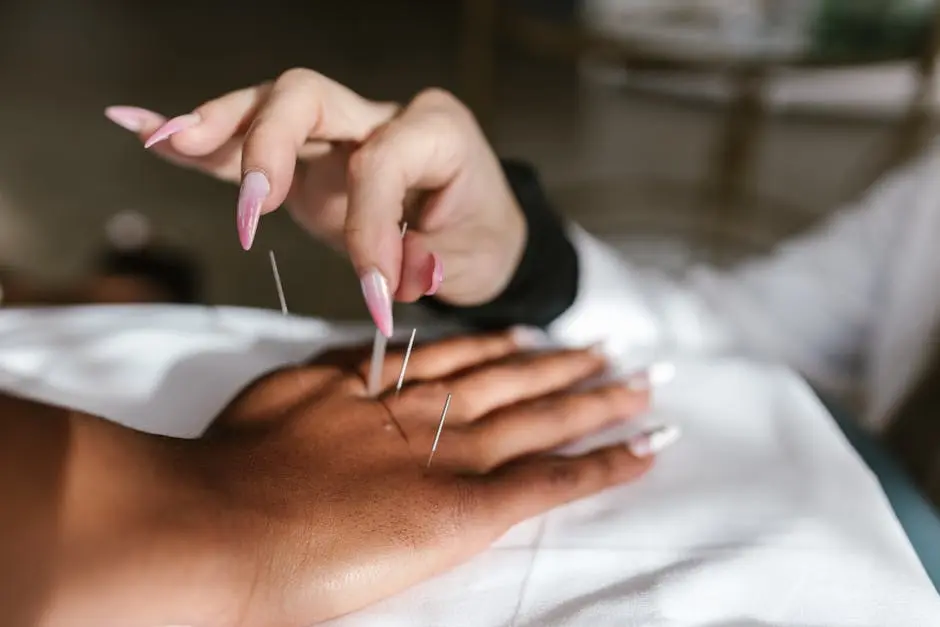
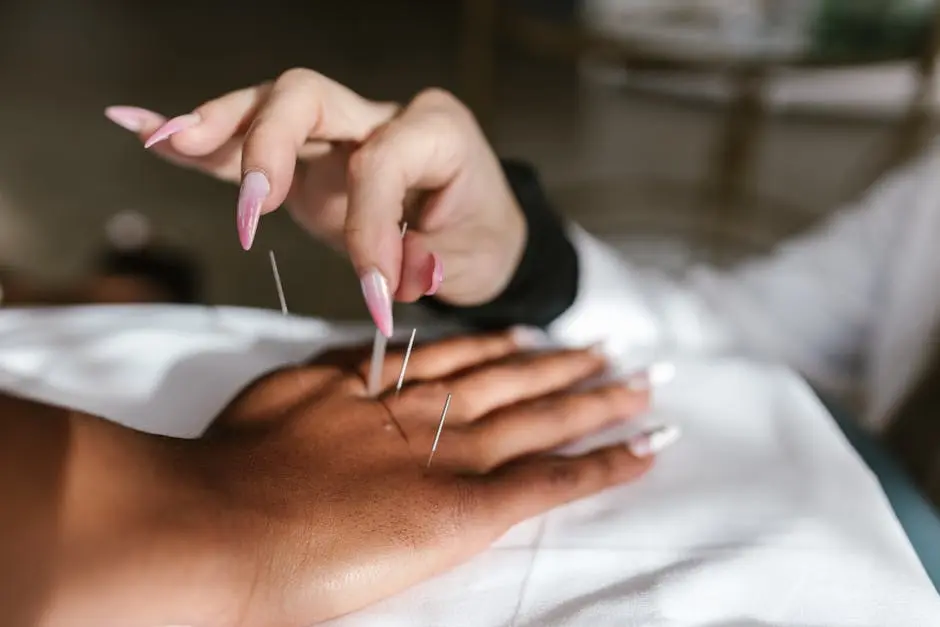
Acupuncture needles are incredibly thin, often as fine as a human hair, which allows for minimal pain and discomfort during treatment. This design is intentional; the objective is to stimulate, not puncture. Patients often describe the sensation as a gentle tingle rather than sharp pain, making it an appealing option for those hesitant about needles in general. It’s remarkable to consider how something so slight can have such a profound impact.
Another interesting aspect of needle design is their varying lengths and diameters. Acupuncturists select needles based on the treatment area and the individual needs of their patients. This customization further emphasizes the personalized nature of acupuncture—no two treatments are exactly the same, allowing for a tailored approach to each person’s unique situation.
4. Disposable vs. Reusable: What You Need to Know
In modern acupuncture, disposable needles are prevalent, ensuring safety and hygiene. Most practitioners use single-use, sterile needles, which reduces the risk of infections and cross-contamination. By prioritizing patient safety, acupuncture has become more accessible to individuals who might otherwise shy away due to concerns about hygiene.
Interestingly, some practitioners may still opt for reusable needles. However, this is accompanied by strict sterilization methods with the utmost care. Each reusable needle must undergo an extensive cleaning process before it can be used again. This meticulous attention to detail reinforces the commitment to patient health and emphasizes the need for practitioners to keep abreast of current safety standards.
5. Pain Relief Beyond the Needles
Acupuncture isn’t just about the needles; it also incorporates other techniques that enhance pain relief, such as cupping and moxibustion. Cupping, for instance, involves placing cups on the skin to create suction, which promotes blood flow and alleviates muscle tension. On the other hand, moxibustion involves burning the herb mugwort near specific acupuncture points to warm the area and dispel cold from the body.
These complementary therapies showcase the adaptability of acupuncture in promoting overall health. By combining methods, practitioners can offer a holistic approach to pain relief, increasing the likelihood of successful outcomes. Patients often appreciate the multifaceted treatment strategies that acupuncture provides, as they can enjoy a richer healing experience.
6. Scientific Studies Supporting Acupuncture
Numerous studies have shown the effectiveness of acupuncture in reducing various types of pain, reinforcing its role in pain management. Researchers have explored its impacts on conditions such as chronic back pain, migraines, and arthritis, cementing acupuncture’s place within the clinical framework. Evidence from randomized controlled trials indicates significant positive results, making a compelling case for its incorporation into conventional care.
It’s exciting to see how science is catching up with ancient practices. By continually validating acupuncture through research, we build a bridge between traditional and modern medicine. This growing body of evidence not only bolsters the practice’s credibility but also encourages new patients to explore its potential benefits for managing their pain.
7. Myths and Misconceptions About Acupuncture
Many people hold misconceptions about acupuncture and needles, such as fears of pain or danger, which can be dispelled with education and understanding. One common myth is that acupuncture is excruciatingly painful due to the needles. In reality, however, many patients report feeling relaxed and calm during treatments, often dozing off on the treatment table.
Another misconception involves the belief that acupuncture is only effective for specific ailments. In truth, its versatility extends across a wide range of conditions, from anxiety to digestive issues. This holistic approach emphasizes not just symptom management but also overall well-being, highlighting the need for open-mindedness when considering alternative therapies.