

7 Essential Tips for Athletes Using Acupuncture Needles for Pain Management
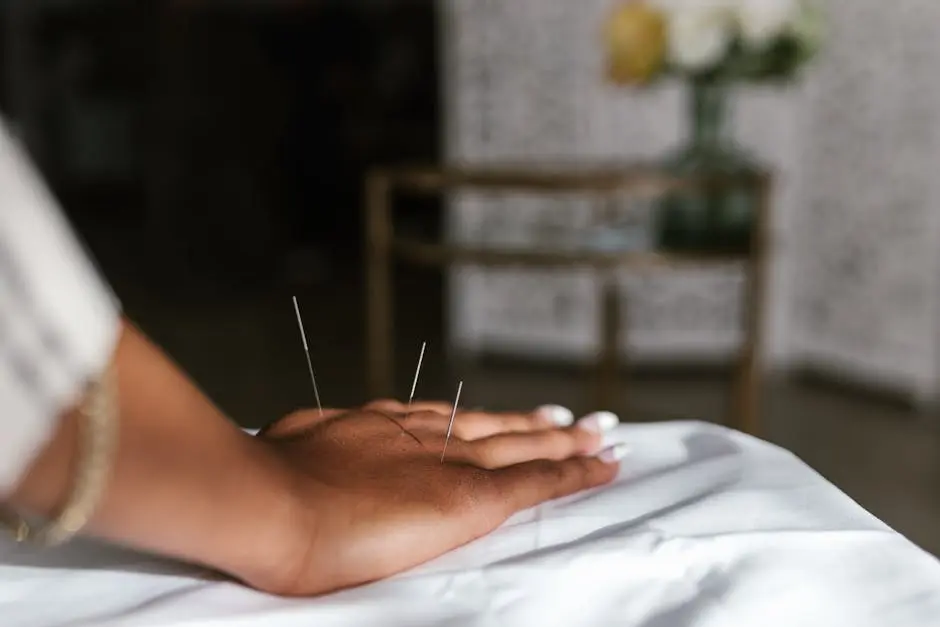
Acupuncture has been a trusted practice for centuries, offering pain relief and promoting healing. For athletes, incorporating acupuncture into their recovery routine can be incredibly beneficial. In this guide, we’re diving into essential tips about using acupuncture needles for effective pain management, tailored specifically for those pushing their physical limits.
1. Understand the Basics of Acupuncture
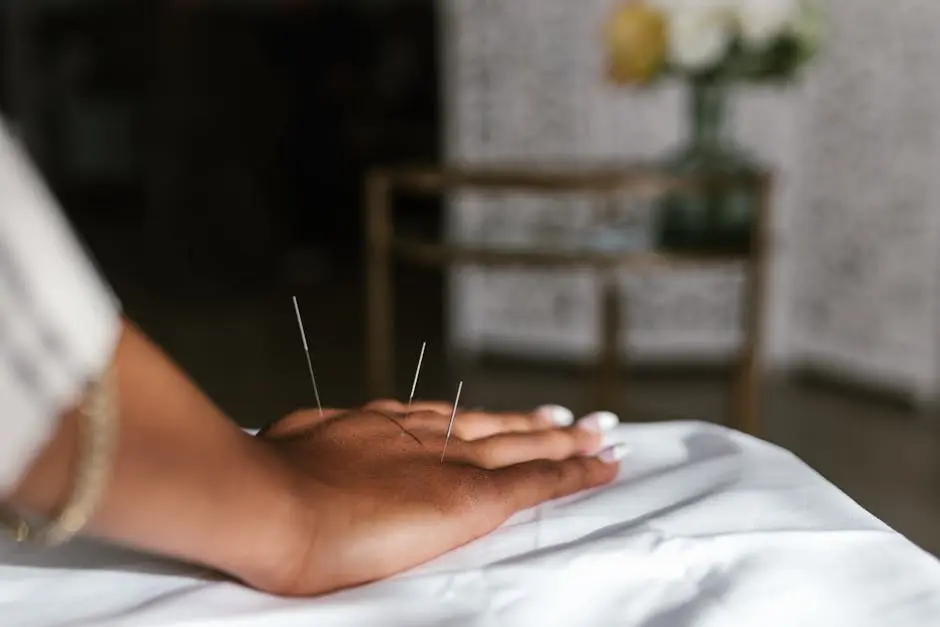
Before diving into acupuncture treatments, it’s crucial to understand the fundamental principles. Acupuncture involves inserting thin needles into specific points on the body to alleviate pain and promote self-healing. These points are connected by pathways known as meridians, which channel vital energy, or Qi, throughout the body. By understanding this flow, athletes can appreciate how acupuncture can enhance their performance and recovery by ensuring a balanced and unhindered energy flow.
The concept of Qi might seem abstract at first, but think of it as the body’s natural ability to heal and regulate itself. When athletes push themselves during intense training, this energy can become blocked or imbalanced, resulting in pain or decreased performance. Acupuncture helps to recalibrate this flow, providing not only physical relaxation but also mental clarity and focus.
2. Consult with a Licensed Acupuncturist
Working with a licensed professional ensures that the acupuncture treatment is safe and tailored to your athletic needs. They can provide expert guidance on the appropriate points to target for optimal results. Ensuring that the needles are inserted accurately and at the correct depth is vital for activating the right points and bringing about the desired therapeutic effects.
It’s also worth noting that a licensed acupuncturist brings valuable experience in adapting techniques specifically for athletes. They have an understanding of sports injuries and how to aid recovery through acupuncture. This professional insight can be the differentiator in preventing injuries from escalating and in fostering a quicker return to peak performance.
3. Communicate Your Goals Clearly
Clearly communicating your pain management and recovery goals to your acupuncturist helps in designing a treatment plan that is effective. Each athlete’s regimen should be personalized based on their specific physical activities and health conditions. Discussing problems like sore muscles, stiff joints, or chronic issues allows the practitioner to select the best acupuncture points for addressing these concerns.
Moreover, sharing your training schedule and anticipated performance goals can help in planning acupuncture sessions around periods of intensive physical activity or important competitions, maximizing the benefits of each session. This approach not only treats existing pain but also plays a proactive role in injury prevention and performance optimization.
4. Consistency is Key
Regular acupuncture sessions can enhance results. Consistent treatments can help manage pain more effectively and aid in quicker recovery from strenuous activities. The body’s physiological reactions to acupuncture become more pronounced over time with regular exposure, contributing to long-term improvements in pain management and flexibility.
For athletes, maintaining a consistent schedule allows room for adjusting the frequency and focus of sessions based on how your body responds. In periods of high physical strain, more frequent visits may be necessary to keep recovery on track. This adaptability is what makes acupuncture a sustainable solution for athletes seeking to remain competitive and healthy all year round.
5. Complement Acupuncture with Other Treatments
While acupuncture is powerful on its own, combining it with other therapies like massage, physical therapy, or yoga can further enhance its benefits and help in achieving better overall health. Combining treatments can address different aspects of pain and recovery, offering a more holistic approach to wellness.
Consider incorporating specialized therapies that focus on muscle recovery or joint flexibility. A balanced approach that includes acupuncture and other therapeutic practices might accelerate recovery by targeting multiple systems within the body, leading to comprehensive pain relief and physical enhancement.
6. Track Your Progress
Keeping a record of your sessions and any changes in your pain or performance can help you and your acupuncturist make necessary adjustments to your treatment plan. Documenting your progress not only provides insights into what works best but also identifies patterns in your recovery, allowing for tailored interventions.
Using a journal or an app to track each session can make it easier to observe subtle changes and improvements. This practice encourages accountability and ensures that you remain actively engaged in your healing process, promoting a proactive attitude towards health and wellness.
7. Listen to Your Body
Pay close attention to how your body responds to acupuncture. Inform your practitioner about any discomfort or unusual sensations during or after sessions to ensure your treatment remains safe and effective. It’s essential to recognize that each individual’s response to acupuncture can vary, and being in tune with your body enhances the efficacy of the treatment.
Being attentive to your body’s signals allows you to communicate more effectively with your acupuncturist, ensuring that sessions are adjusted appropriately. This dialogue not only helps in refining the acupuncture techniques used but also empowers you to make informed decisions about your treatment and recovery journey.