

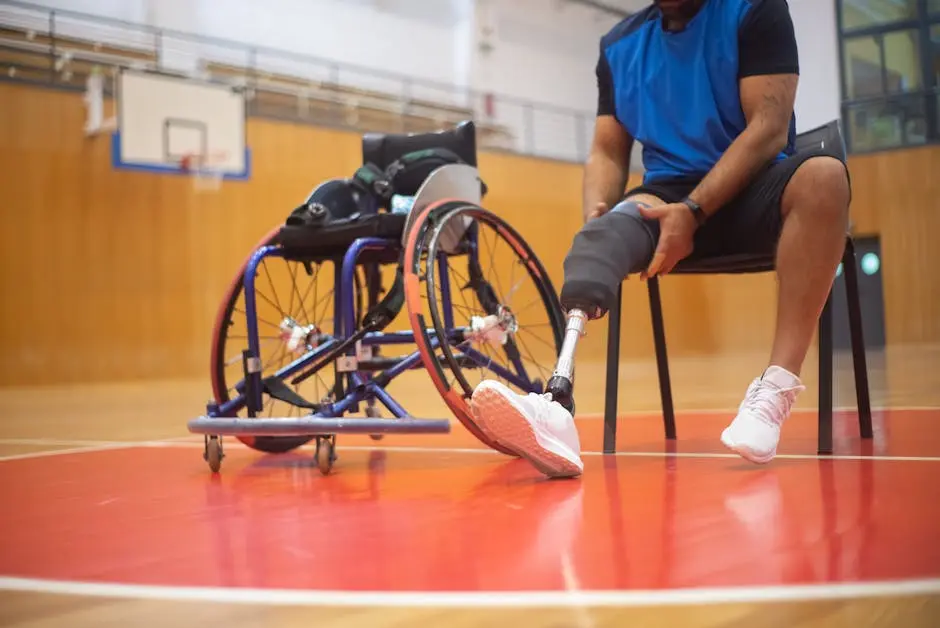
Exploring the Connection Between Chronic Pain and Emotional Well-being in Athletes
Chronic pain is a challenge many athletes face, and understanding its impact on emotional well-being is crucial. In this blog, we will dive into how chronic pain affects athletes both physically and mentally, exploring the often-overlooked psychological aspects and the importance of addressing them.
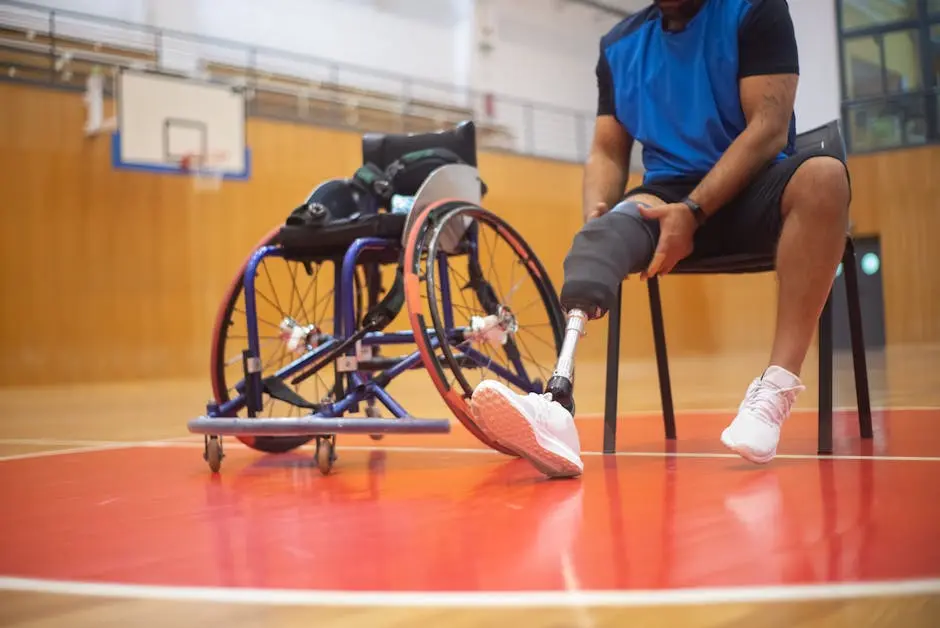
Understanding Chronic Pain in Athletes
Chronic pain can stem from various injuries or conditions, and its persistent nature can significantly alter an athlete’s lifestyle. In this section, we will discuss what chronic pain is, how it manifests in athletes, and why it is important to recognize its symptoms early.
For many athletes, chronic pain is akin to an unwanted companion that tags along during every workout session and competition. Imagine training for months, only to be thwarted by pain that lingers longer than expected. This relentless discomfort can often lead to frustration, affecting not just performance but also personal motivation and self-esteem.
The experience of chronic pain can vary greatly. Some athletes may feel a dull ache that persists through their daily activities, while others might suffer from sharp, sudden pangs that interrupt their focus. Understanding these pain profiles is crucial in developing effective management strategies. Identifying the root causes, such as overuse injuries or underlying conditions, allows athletes and their coaches to adjust training regimens appropriately.
The Emotional Toll of Living with Pain
Pain is not just a physical sensation; it often comes with emotional repercussions. Here, we will explore how chronic pain can lead to anxiety, depression, and even feelings of isolation among athletes, highlighting the importance of mental health in overall performance.
Living with chronic pain can feel like an emotional rollercoaster. One day may bring hope, while the next may sink into despair. The unpredictability of pain can increase anxiety levels, making athletes hesitant to push themselves as they once did. This fear of provoking pain might lead to withdrawal from team activities, social engagements, and even their personal lives.
Moreover, studies have shown a clear link between chronic pain and depression. Athletes who find themselves sidelined due to pain may begin to question their identity and worth in the sporting world. They might feel a sense of loss—not just for their physical capability but for the communal camaraderie that sports offer. This emotional weight is often overlooked, but it is integral to understanding the full impact of chronic pain.
Addressing these emotional challenges is essential. Athletes are not just competitors; they are individuals with feelings, families, and aspirations. Creating an open dialogue about these feelings can help reduce stigma and foster a supportive environment where athletes feel safe to express their struggles.
The Mind-Body Connection in Athletic Performance
Athletes are trained to connect their minds and bodies for optimal performance. But when chronic pain interferes, this connection can become disrupted. We’ll look into how emotional stress can exacerbate physical pain and vice versa, offering insight into this complex relationship.
At the heart of athletic success is the intricate dance between body and mind. When an athlete feels strong mentally, their physical capabilities often reflect that strength. However, chronic pain can create a feedback loop of distress where physical limitations heighten emotional anxiety, leading to further physical impairment. This cycle can be incredibly frustrating, as athletes may feel trapped in a situation where their potential is overshadowed by pain.
To break this cycle, many athletes are turning to holistic approaches that emphasize both mental and physical health. Techniques such as visualization, meditation, and cognitive behavioral therapy can serve to reinforce that mind-body connection. Furthermore, improving mental resilience can sometimes alleviate perceptions of pain, proving just how powerful the mind can be in overcoming physical obstacles.
Interestingly, many athletes report that maintaining a positive outlook—despite chronic pain—plays a pivotal role in their ability to cope. The mental strategies they cultivate not only aid in pain management but can also enhance their performance once they are back in the game. Strengthening this mind-body bond is thus not just beneficial; it is essential.
Coping Strategies for Emotional Well-being
Addressing emotional well-being is crucial for athletes in pain. We’ll discuss various coping strategies, including mindfulness, therapy, and support groups, that can help athletes manage their emotions while dealing with chronic pain.
In facing chronic pain, developing effective coping strategies is not just beneficial; it’s necessary. Mindfulness practices have gained popularity as a way to cultivate present-moment awareness, allowing athletes to navigate their pain without becoming overwhelmed by it. By focusing on the here and now, rather than the uncertainties of the future, athletes can often find a respite from their distress.
Therapy, particularly cognitive behavioral therapy (CBT), can be invaluable for athletes grappling with the emotional ramifications of chronic pain. CBT can help athletes reframe their thoughts, enabling them to build a more positive narrative around their experiences. Additionally, engaging in support groups can foster a sense of community and shared experience, reminding athletes that they are not alone in their battles.
Finding coping mechanisms that resonate personally is essential, as each athlete’s experience with pain is unique. Whether it’s art, music, or simply spending time with loved ones, exploring these outlets can create much-needed relief and help maintain a balanced emotional state.
Seeking Professional Help: When to Reach Out
It’s important to know when chronic pain and emotional struggles require professional intervention. This section will guide athletes on how to recognize when it’s time to seek help from healthcare providers, including psychologists and pain specialists.
Recognizing the signs that it’s time to seek help can be a game changer for an athlete suffering from chronic pain. Persistent emotions of sadness, anxiety, or a feeling of hopelessness are key indicators that reaching out to a mental health professional is beneficial. Similarly, if physical pain is severely limiting one’s ability to engage in daily activities or sports, it’s wise to consult healthcare providers who specialize in pain management.
Moreover, many athletes find that having a proactive healthcare team—including physical therapists, coaches, and mental health professionals—can provide a broader perspective on managing chronic pain. This multidisciplinary approach not only addresses the physical aspect of pain but also integrates emotional support, creating a nurturing environment for recovery.
Ultimately, seeking professional help should not be seen as a weakness, but rather as a courageous step toward taking control of one’s health. It’s a crucial part of the journey back to not just physical functionality but also emotional resilience, enabling athletes to reclaim their passion and joy in sport once again.
Finding Balance for Better Health
Recognizing the intertwined relationship between chronic pain and emotional well-being can empower athletes to seek help and develop effective coping strategies. A holistic approach that addresses both physical and emotional health is essential for recovery and overall well-being. By nurturing both bodies and minds, athletes can continue to thrive in their sport.