The Science Behind Dry Needling and Its Impact on Athletic Recovery in San Francisco
In the bustling world of San Francisco’s athletic scene, recovery is just as vital as training. Among the various recovery techniques, dry needling has gained attention for its intriguing benefits. But what exactly is dry needling, and how does it contribute to quicker recovery times for athletes? In this blog, we will dive deep into the science behind dry needling and explore its impact on athletic recovery in our vibrant city.
Understanding Dry Needling: What Is It?
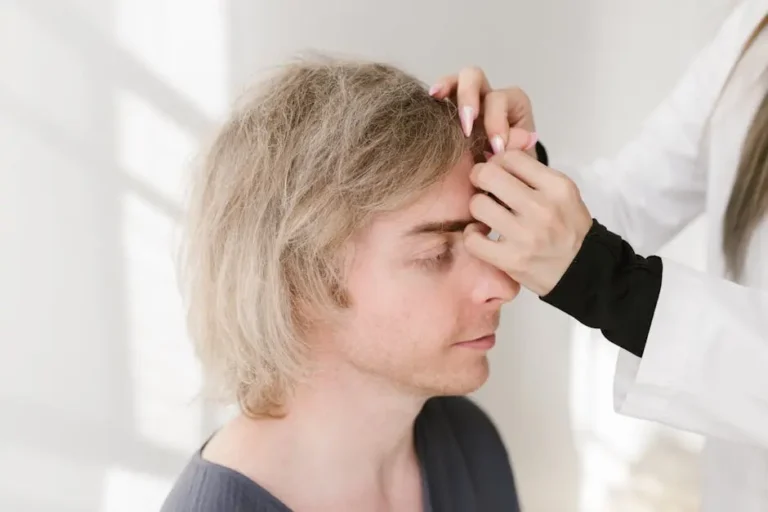
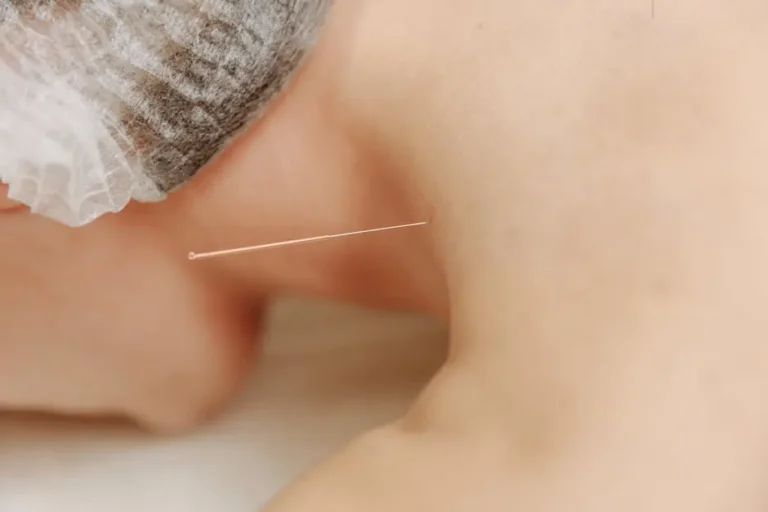
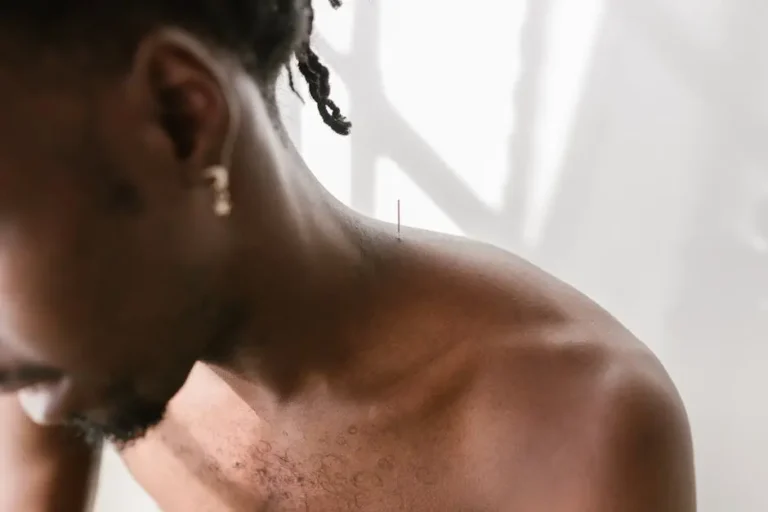
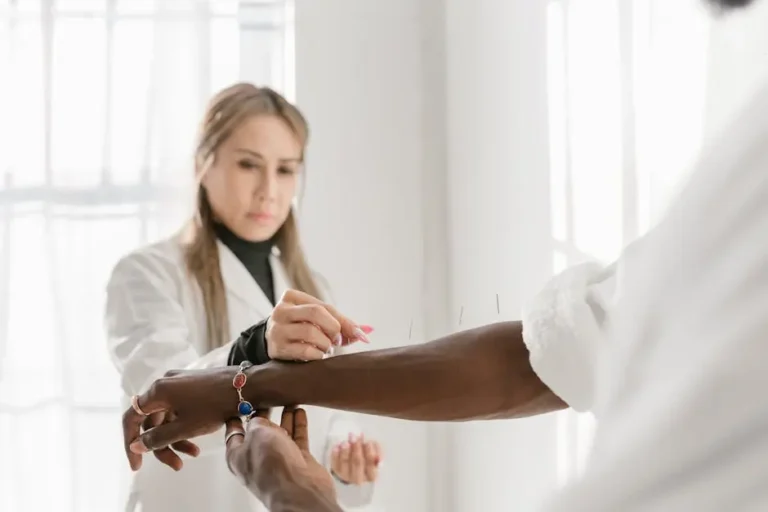
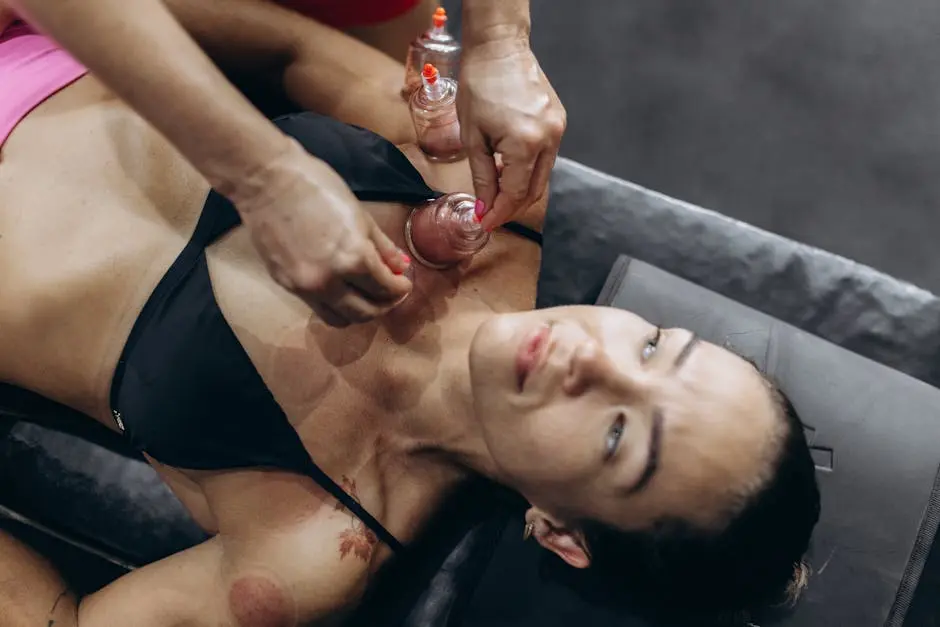
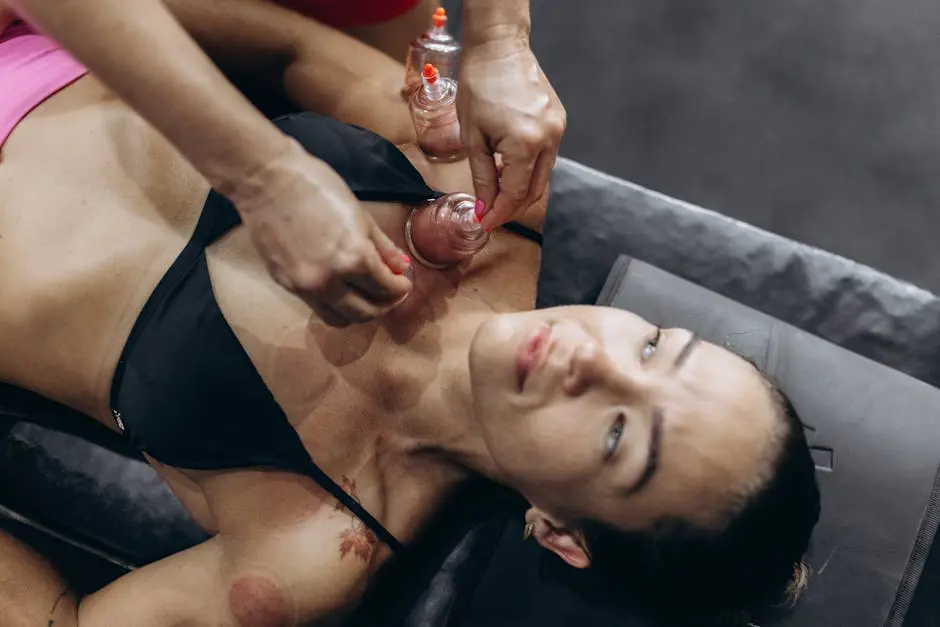
Dry needling is a technique that involves inserting thin needles into specific trigger points in muscles. Unlike acupuncture, it focuses specifically on muscular pain and dysfunction. Its purpose is to relieve pain and improve mobility, making it an essential tool for athletes.
Many athletes find themselves asking, ‘What makes dry needling so effective?’ The answer lies in its precision. The needles target taut bands of muscle known as myofascial trigger points. These points are often the culprits behind muscle tightness and discomfort. By addressing these areas directly, dry needling alleviates pain and restores function more efficiently than some traditional methods.
In San Francisco, where athletes push their limits, understanding the role of dry needling can enhance overall performance. As sports science evolves, so do the techniques, and dry needling is at the forefront, showcasing how modern approaches can lead to substantial recovery benefits.
The Science Behind Dry Needling: How It Works
The process of dry needling triggers the body’s natural healing response. When the needles stimulate the trigger points, they can reduce muscle tension, improve blood flow, and promote the repair of damaged tissues. This section will explore the physiological responses that occur during this treatment.
Research has shown that dry needling activates muscle spindles, sensory receptors that play a vital role in reflexes and muscle control. By doing so, it enhances neuromuscular efficiency and can lead to an immediate reduction in pain. This connection between muscle management and neural pathways highlights the importance of integrating dry needling into recovery protocols.
Additionally, when dry needling is performed, it induces a localized inflammatory response. While inflammation often gets a bad rap, a controlled inflammatory environment can accelerate the healing of damaged tissues, aiding muscles in getting back to peak condition faster than conventional care alone.
Benefits of Dry Needling for Athletic Recovery
For athletes, recovery is crucial to prevent injuries and improve performance. Dry needling can help by decreasing muscle soreness, improving flexibility, and speeding up overall recovery time. This segment will discuss the specific benefits that athletes in San Francisco have experienced from incorporating dry needling into their recovery routines.
Imagine finishing an intense workout and being able to bounce back more quickly than ever before. That’s the allure of dry needling! Athletes in San Francisco have reported feeling less soreness after rigorous training sessions. Instead of waiting days to feel normal, they’re back on their feet and ready to tackle their next challenge in mere hours.
Moreover, the increase in flexibility that comes with dry needling allows athletes to maintain their range of motion. This is particularly important in high-impact sports where muscle tightness can lead to injuries. By promoting elasticity in muscles, athletes can reduce their risk of strains and sprains, ensuring they stay in the game longer.
Real-Life Experiences: Athletes’ Testimonials in San Francisco
Hearing from athletes who have utilized dry needling can provide invaluable insights. In this section, we will share testimonials from local athletes who have integrated dry needling into their training regimens and the positive changes they’ve noticed.
One local runner shares that after incorporating dry needling into her routine, she experienced a dramatic decrease in hamstring tightness, which had previously hindered her performance. ‘I can’t believe how much faster I recovered after each race,’ she says. ‘It’s become a key part of my training strategy.’
Similarly, a cyclist emphasized the importance of dry needling in managing his lower back pain. ‘I’ve spent years dealing with discomfort after long rides, but since trying dry needling, it’s like a weight has been lifted off my back. I’m riding stronger than ever!’ These real-world testimonials underline the effectiveness of dry needling as a recovery tool.
Choosing the Right Practitioner for Dry Needling
Not all practitioners are the same when it comes to dry needling. It’s essential for athletes to seek qualified professionals who understand the intricacies of the technique. This part of the blog will give tips on finding the right dry needling provider in San Francisco.
When looking for a dry needling expert, athletes should consider their credentials and experience. It’s wise to choose practitioners who are licensed physical therapists or trained acupuncturists with specialized training in dry needling techniques. Checking reviews and seeking recommendations can provide valuable insights into a practitioner’s effectiveness.
Additionally, a good practitioner will take the time to conduct a thorough assessment and tailor their approach to each athlete’s specific needs. Communication is key; an ideal provider should encourage questions and create a comfortable environment where athletes feel informed and at ease.
Addressing Common Misconceptions About Dry Needling
As with any treatment, there can be misconceptions surrounding dry needling. In this section, we will debunk common myths and clarify what dry needling is and isn’t, helping athletes make informed decisions about their recovery options.
One prevalent myth is that dry needling is just another form of acupuncture. While both utilize needles, dry needling specifically targets muscles, whereas acupuncture is rooted in traditional Chinese medicine aiming to restore balance within the body. Understanding this distinction helps athletes make informed choices about their recovery.
Another misconception is that dry needling is painful. Many athletes report that while they feel slight discomfort, it is often much less than expected. Compared to muscle tightness, the sensation during dry needling may even be seen as a relief. Clearing up these myths can empower athletes to explore this beneficial treatment.
Wrapping Up the Benefits of Dry Needling
As athletes in San Francisco continue to seek innovative and effective methods for recovery, dry needling stands out as a promising option backed by science. From understanding its mechanisms to experiencing its benefits firsthand, dry needling can play a significant role in enhancing athletic performance and overall well-being.