Dry Needling Explained: What You Need to Know
Dry needling is a technique that’s gaining popularity in the world of physical therapy and pain management. Despite its effectiveness, many people have questions about what it is, how it works, and what to expect. In this blog post, we’ll dive into the essential aspects of dry needling, making it easy for you to understand this treatment and how it could benefit you.
What is Dry Needling?
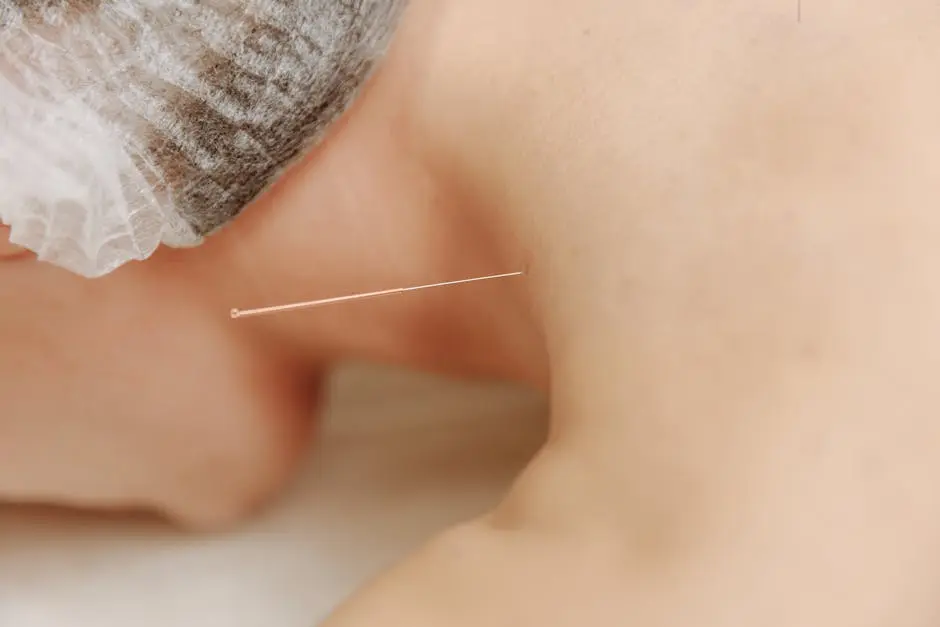
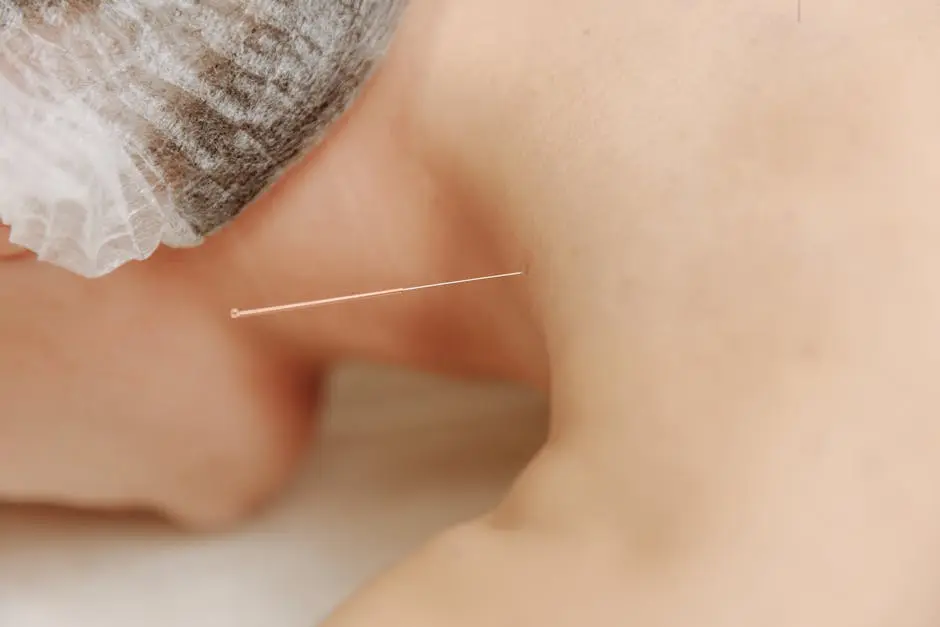
Dry needling is a technique that involves inserting thin needles into specific trigger points in the muscle to relieve pain and improve mobility. It differs from acupuncture, as it is primarily focused on musculoskeletal pain.
To further clarify, trigger points are tightly contracted areas within muscle tissue that can refer pain to other body parts. These points often develop from overuse, injury, or even stress. By targeting these precise locations, dry needling seeks to provide relief from chronic discomfort, helping to restore function and enhance overall well-being.
In addition to relieving pain, dry needling can also aid in restoring the normal range of motion and flexibility to tight muscles. So, if you’ve had that nagging knot in your shoulder or the constant ache in your lower back, understanding dry needling might just be the first step towards finding relief.
How Does Dry Needling Work?
The process stimulates the muscle tissue, promoting healing by improving blood flow and reducing muscle tension. It’s believed that this technique can release tight muscles and decrease pain signals in the body.
When a needle is inserted into a trigger point, it causes a localized twitch response. This reaction can help to release muscle tightness, leading to improved circulation and a reduction in discomfort. Think of it as a kind of reset for overworked muscles—a gentle push encouraging them to relax.
This technique not only targets pain but also encourages the body to heal itself naturally. With improved blood flow to the affected areas, the body can more efficiently deliver oxygen and nutrients needed for recovery, while also flushing out toxins. So, dry needling isn’t just about immediate pain relief; it also plays a role in long-term health.
Benefits of Dry Needling
Some potential benefits of dry needling include reduced pain, improved range of motion, faster recovery from injury, and an overall boost in physical performance.
In addition to these benefits, many patients report an enhanced quality of life after incorporating dry needling into their treatment plans. Regular sessions can lead to decreased reliance on pain medications, reduced stress, and improved sleeping patterns. It’s not just about physical recovery; it’s about holistic improvements in your daily life.
Moreover, dry needling can be an effective adjunct treatment for individuals undergoing rehabilitation from sports injuries or surgeries. By integrating dry needling into their recovery programs, many athletes have reported quicker returns to their sports, minimizing the downtime typically associated with recovery.
What to Expect During a Session
During a dry needling session, a trained practitioner will assess your muscles and identify trigger points. The needles are then inserted only into the areas that require treatment. Most people report feeling only minor discomfort during the process.
Before the needles go in, the practitioner will likely perform a thorough evaluation to understand your pain patterns and areas of tension. This individualized approach means that each session can be tailored specifically to your needs, so you receive the most effective treatment.
After the session, you may feel a sense of relaxation and relief, as well as some soreness akin to that feeling you get after a good workout. This is completely normal and usually subsides within a day or two. Plus, many practitioners will provide you with stretches or exercises to help maintain the benefits you’ve gained.
Is Dry Needling Right for You?
It’s important to consult with a healthcare professional to determine if dry needling is a suitable option for your specific condition or injury. People with certain contraindications, such as pregnancy or infections, should avoid this treatment.
Additionally, discussing your medical history and any ongoing treatments with your practitioner is crucial. They will consider factors such as existing health conditions, medications, and allergies to determine if dry needling is a safe and effective choice for you.
Potential Risks and Considerations
While dry needling is generally safe, there are some risks to be aware of, such as soreness at the treatment site or, in rare cases, infection. Understanding these risks can help you make a more informed decision.
It’s also essential to ensure that the practitioner you choose is well-trained in dry needling techniques. A certified professional will minimize the risks and maximize the benefits, providing you with a safer and more effective treatment experience.
Ultimately, while dry needling can be highly beneficial for many, it may not be the answer for everyone. That’s why maintaining open communication with your healthcare provider is vital, as this will help you explore all possible avenues for pain relief and recovery.
Wrapping Up Your Understanding of Dry Needling
In summary, dry needling is a valuable tool in the management of muscle pain and dysfunction. Whether you’re an athlete, someone recovering from an injury, or just dealing with chronic pain, it’s worth discussing this option with your healthcare provider. With the right knowledge, you can make informed choices about your health and wellness.