

Sports Medicine and Pain Management: A Holistic Approach for Athletes
In the world of sports, managing pain and treating injuries are as crucial as the training itself. For athletes, maintaining peak performance requires not only physical strength and skill but also effective strategies to handle the strains and stresses that come with rigorous activity. This blog explores how a holistic approach to sports medicine can enhance pain management for athletes, ensuring both their short-term recovery and long-term health.

Understanding the Basics of Sports Medicine
Sports medicine is a specialized field dedicated to helping athletes prevent and treat injuries. It encompasses a wide range of practices and principles aimed at enhancing athletic performance, ensuring that athletes are able to perform at their best while minimizing the risk of injury.
Beyond just physical therapy, sports medicine involves a multidisciplinary approach that includes physicians, physical therapists, nutritionists, and athletic trainers working in unison. This collaborative model allows for a more comprehensive understanding of an athlete’s body mechanics and needs. The field continuously evolves with advancements in technology and techniques, enabling professionals to tailor recovery and prevention strategies to each athlete’s unique physiology and sport-specific demands. This approach not only addresses immediate concerns but also works to future-proof athletes against long-term issues such as chronic pain or joint degeneration.
Emphasizing injury prevention is a cornerstone of sports medicine. Athletes undergo screenings to identify potential weaknesses and imbalances, which can be addressed through customized training programs. These screenings are imperative as they help in creating a proactive environment where injuries are anticipated and mitigated before they occur. The integration of technology, such as wearable devices that monitor biomechanics and stress levels, is particularly useful in predicting and preventing injury. This proactive stance empowers athletes to focus on performance with confidence that their health is being meticulously managed.
The Role of Pain Management in Athletic Performance
Effective pain management is crucial for athletes, allowing them to train and compete while maintaining their health. By addressing pain appropriately, athletes can focus on their performance and recovery, rather than being hindered by discomfort or injury.
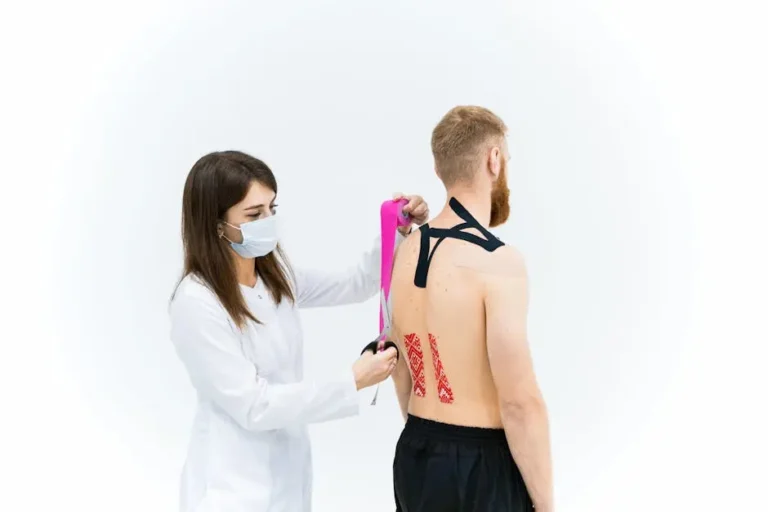
One vital aspect of pain management is understanding the root causes of pain. For athletes, this often includes deciphering whether the pain is the result of acute injuries like sprains or chronic conditions like tendonitis. By identifying the source, treatment can be more accurately applied, whether that be rest, physical therapy, or someone providing targeted support for muscle recovery. For athletes, managing pain is not just about treating symptoms; it’s about healing their bodies to prevent recurring issues.
In recent years, there has been a significant shift towards utilizing alternative therapies as part of pain management strategies. Techniques such as acupuncture, massage therapy, and chiropractic care are being increasingly acknowledged for their efficacy in treating sports-related injuries. Acupuncture, for instance, has been shown to aid in reducing inflammation and promoting healing, making it a valuable tool in an athlete’s arsenal. By incorporating these therapies alongside conventional treatment methods, athletes can experience a more holistic form of pain relief that bolsters their return to peak performance.
Holistic Approaches to Pain and Injury Recovery
A holistic approach to pain management considers the athlete’s entire well-being, incorporating physical therapy, mental health support, and alternative therapies like acupuncture or yoga. This comprehensive strategy not only aids recovery but also helps prevent future injuries and promotes overall health.
Integrative Health is at the core of holistic recovery strategies. This approach goes beyond just addressing the physical injury by including emotional and mental support systems. The goal is to treat the person, not just the injury. For instance, mindfulness practices have been introduced to athletes to help them sharpen concentration and foster a positive mindset during recovery. By harmonizing physical healing with mental resilience, athletes can navigate the challenges of rehabilitation more effectively, ensuring a more balanced and successful recovery journey.
Moreover, using a holistic approach means exploring unconventional methods like tai chi, which has shown promise in improving balance and coordination in sports contexts. This ancient practice not only aids in physical recovery but also enhances mental clarity and emotional stability. Athletes report improved focus and reduced anxiety, facilitating better performance outcomes. The broad spectrum of benefits offered by these practices underscores the importance of considering the whole healing process, giving athletes the tools they need to achieve sustained health and performance.
The Importance of Nutrition in Sports Medicine
Nutrition plays a crucial role in an athlete’s health and recovery. A balanced diet can enhance performance, speed up recovery, and decrease the risk of injury. Tailoring nutrition plans to individual needs ensures that athletes get the necessary nutrients to support their intense training regimens.
Focusing on optimal nutrition can give athletes a significant edge. For example, incorporating anti-inflammatory foods like leafy greens, nuts, and berries into a diet can help reduce recovery time. Protein intake is essential for muscle repair, and understanding the timing of macros can impact performance significantly, ensuring athletes are fueled adequately before games and training sessions. Sports dietitians work closely with athletes to fine-tune meal timing and composition, providing personalized eating strategies that cater to specific energy demands and nutritional requirements.
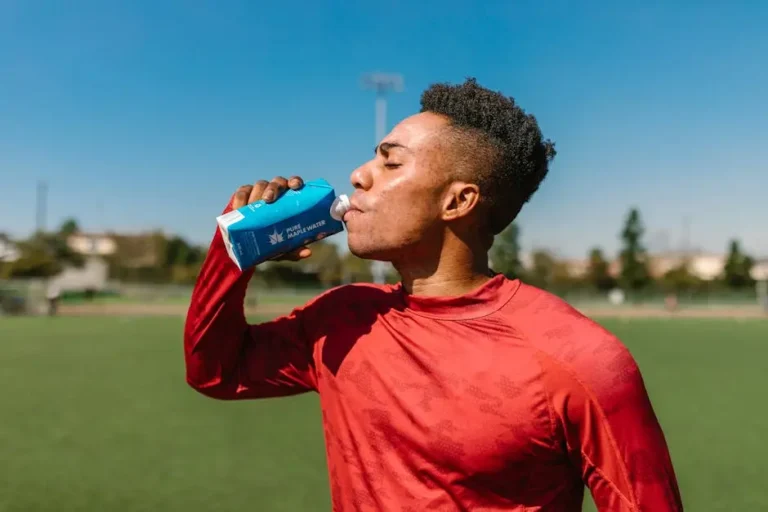
Hydration is another critical aspect often overshadowed by food itself. Proper hydration helps maintain peak physical and cognitive function during prolonged exercise sessions. Hydration strategies are customized based on the athlete’s sweat rate and electrolyte needs and involve a combination of water and specialized sports drinks that replenish vital nutrients lost through sweat. By keeping on top of hydration alongside a nutritious diet, athletes can maintain endurance, prevent cramps, and protect themselves against heat-related illnesses.
Mental Health: An Integral Part of Holistic Care
Addressing mental health is essential in a holistic approach to sports medicine. Mental resilience can significantly impact an athlete’s performance and recovery. Techniques such as mindfulness and stress management can enhance focus, reduce anxiety, and improve overall mental well-being.
The pressures that athletes face, both on and off the field, can create an atmosphere where mental health struggles become amplified. Implementing structured mental health programs that include regular check-ins with a sports psychologist can help athletes maintain a healthy mental state. Cognitive-behavioral strategies are effective in confronting performance anxiety and fear of re-injury, empowering athletes to meet challenges head-on with confidence and calmness.
Emphasizing mental health also means recognizing the mind-body connection, where psychological state directly impacts physical health. Techniques such as guided visualization and breathing exercises are gaining traction for their ability to enhance perception and agility. By visualizing successful performances and practicing controlled breathing, athletes can reduce perceived stress levels and stay centered, even in high-pressure environments. These practices help build a robust foundation for sustaining mental clarity and composure, ultimately leading to better overall sporting experiences.
Embracing the Holistic Path for Athletic Success
Incorporating a holistic approach to sports medicine can make a significant difference in an athlete’s health and performance. By addressing physical, mental, and nutritional elements, athletes can recover better, prevent injuries, and improve overall well-being. Embracing these holistic strategies ensures that athletes not only stay strong but also thrive in their sports, achieving both personal and professional goals. To learn more about how you can benefit from these strategies, visit Acufor Athletics.